Nintendo vs Sega: The Console Wars That Defined Gaming
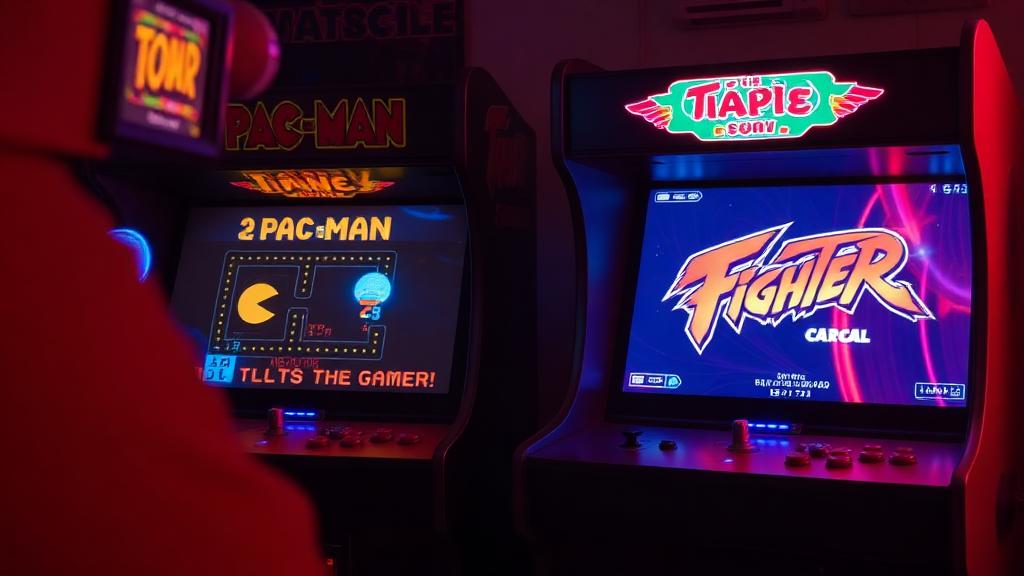
Nintendo vs Sega: The Console Wars That Defined Gaming
The 1990s witnessed one of the most intense corporate rivalries in entertainment history. Nintendo and Sega didn't just compete for market share—they fought for the soul of video gaming itself. This epic battle, known as the "Console Wars," fundamentally shaped the industry and created gaming legends that endure today.
The Genesis of Conflict
Nintendo's dominance in the late 1980s seemed unshakeable. The NES had single-handedly revived the American video game market after the 1983 crash, establishing Nintendo as the undisputed king of home gaming. However, Sega's aggressive entry with the Genesis (Mega Drive in Japan) in 1989 would challenge this supremacy in ways no one expected.
Nintendo's Strategy: Quality Over Quantity
Nintendo's approach was methodical and conservative. They focused on:
- Strict Quality Control: The "Nintendo Seal of Quality" ensured every game met high standards
- Family-Friendly Image: Marketing emphasized wholesome entertainment for all ages
- First-Party Dominance: Mario, Zelda, and Metroid became cultural icons
- Third-Party Control: Strict licensing agreements limited competition
Sega's Strategy: Attitude and Innovation
Sega took a completely different approach, targeting the teenage and young adult market:
- "Genesis Does What Nintendon't": Direct attacks on Nintendo's limitations
- Blast Processing: Marketing the Genesis as technically superior
- Edgy Content: Games like Mortal Kombat with blood and violence
- Sonic the Hedgehog: A mascot designed to compete directly with Mario
The Marketing Wars
The advertising campaigns became legendary in their intensity and creativity. Sega's "Genesis Does What Nintendon't" campaign directly challenged Nintendo's market position, while Nintendo responded with their own aggressive marketing.
Iconic Commercials
Sega's commercials were particularly memorable. The "Sega Scream" became a cultural phenomenon, while their "Blast Processing" ads emphasized technical superiority. Nintendo countered with commercials showcasing their beloved characters and family-friendly appeal.
Technical Innovations
Both companies pushed hardware to its limits, leading to remarkable innovations:
Nintendo's Contributions
- Mode 7 Graphics: Pseudo-3D effects in games like F-Zero and Super Mario Kart
- Super FX Chip: 3D graphics in Star Fox
- Super Game Boy: Enhanced Game Boy games on SNES
- Satellaview: Early online gaming experiments
Sega's Innovations
- Blast Processing: Faster CPU for smoother gameplay
- Sega CD: CD-ROM expansion for larger games
- 32X: 32-bit upgrade for enhanced graphics
- Sega Channel: Cable-based game distribution
The Games That Defined the War
Specific games became symbols of each company's philosophy and capabilities:
Nintendo's Flagship Titles
- Super Mario World: Perfected 2D platforming
- The Legend of Zelda: A Link to the Past: Masterpiece of adventure gaming
- Super Metroid: Atmospheric exploration at its finest
- Chrono Trigger: JRPG storytelling excellence
Sega's Powerhouse Games
- Sonic the Hedgehog: Speed and attitude personified
- Streets of Rage: Beat-em-up perfection
- Phantasy Star IV: Epic sci-fi RPG
- Gunstar Heroes: Treasure's action masterpiece
The Impact on Gaming Culture
The Console Wars created lasting changes in gaming culture:
- Fan Loyalty: Players became fiercely loyal to their chosen platform
- Technical Competition: Pushed both companies to innovate faster
- Marketing Evolution: Video game advertising became more sophisticated
- Third-Party Development: Created opportunities for independent developers
The End of an Era
The Console Wars effectively ended with the arrival of Sony's PlayStation in 1995. Both Nintendo and Sega found themselves competing against a new, more powerful adversary. However, the rivalry had already achieved its purpose—it had elevated video gaming from a niche hobby to mainstream entertainment.
Legacy and Lessons
The Nintendo vs Sega rivalry taught the industry valuable lessons:
- Competition Drives Innovation: The intense rivalry pushed both companies to create better products
- Marketing Matters: Creative advertising can make or break a console
- Exclusives Are Powerful: Unique games can define a platform's identity
- Listen to Your Audience: Both companies succeeded by understanding their target demographics
Modern Echoes
Today's console wars between PlayStation, Xbox, and Nintendo echo the intensity of the 1990s rivalry. The lessons learned from Nintendo vs Sega continue to influence how companies approach competition, marketing, and game development.
The Console Wars weren't just about selling hardware—they were about defining what video games could be. This epic rivalry created the foundation for modern gaming culture and proved that competition, when done right, benefits everyone involved. To explore more about the games that defined this era, check out our top SNES games and Genesis hidden gems.