Why Pixel Art Will Never Die
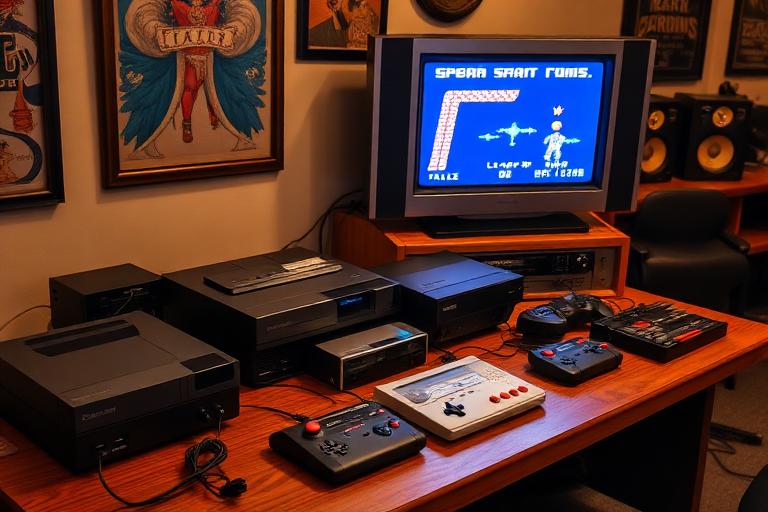
In an age of photorealistic graphics and ray tracing, pixel art not only survives but thrives. From retro gaming revivals to modern indie masterpieces, the appeal of pixelated graphics remains stronger than ever.
The Timeless Appeal of Pixels
Pixel art represents pure artistic expression within technical constraints. Every pixel must serve a purpose, creating an art form that prioritizes clarity and impact over raw detail. This limitation breeds creativity, forcing artists to convey complex ideas through simplified but powerful imagery.
Why Pixel Art Endures:
Artistic Constraints Foster Creativity - Limited palettes and resolutions force artists to be ingenious with their designs. The best pixel art achieves incredible emotional impact through minimal means.
Nostalgia and Emotional Connection - Pixel art evokes powerful memories of gaming's golden age, connecting modern players with the medium's roots.
Accessibility for Developers - Indie developers can create stunning visuals without massive art teams, democratizing game development.
Timeless Aesthetic - Unlike realistic graphics that age poorly, well-crafted pixel art remains visually appealing decades later.
Modern Masters of Pixel Art
Contemporary games like Celeste, Hyper Light Drifter, and Dead Cells prove that pixel art can convey sophisticated emotions and complex narratives. These titles use advanced techniques like dynamic lighting and particle effects while maintaining classic pixel aesthetics.
The indie gaming revolution has been built largely on pixel art foundations. Developers use familiar visual language to create innovative gameplay experiences, proving that artistic style matters more than polygon counts.
The Craft Behind the Pixels
Creating effective pixel art requires understanding color theory, composition, and animation principles. Master pixel artists like Paul Robertson and Octavi Navarro demonstrate how the medium can achieve cinematic quality through careful attention to detail.
Modern tools have enhanced pixel art creation while preserving its essential character. Artists can now implement subtle lighting effects and complex animations that would have been impossible in the 8-bit era.
Future of Pixel Aesthetics
As gaming technology advances, pixel art serves as an artistic choice rather than a technical limitation. This freedom allows creators to blend retro aesthetics with contemporary design sensibilities, creating unique visual experiences.
Virtual reality and augmented reality platforms are experimenting with pixel art, proving the style's adaptability to new technologies. The aesthetic transcends its origins to become a legitimate artistic movement.
Pixel art isn't just nostalgia—it's a legitimate art form that continues to evolve and inspire. Its enduring appeal demonstrates that great design transcends technological limitations, focusing on creativity and emotional impact over raw processing power.