The Rise and Fall of Sega Dreamcast: Gaming's Greatest What-If
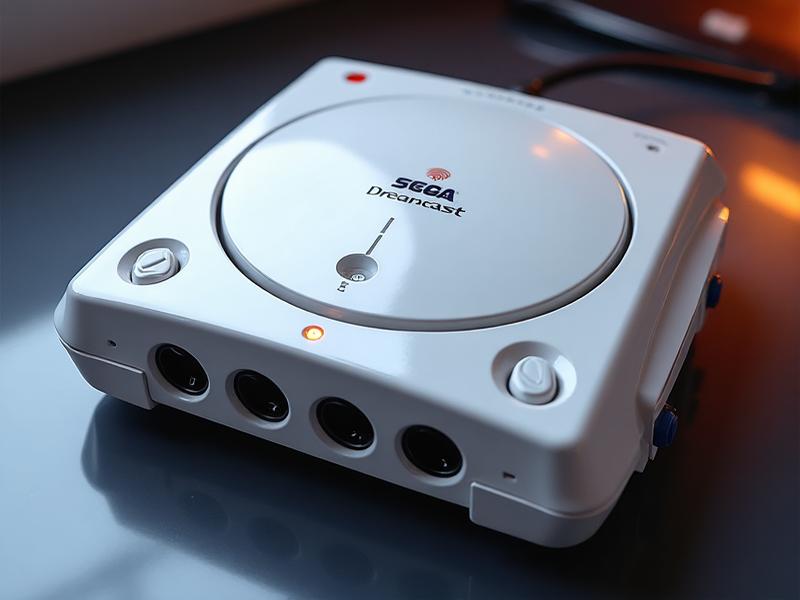
The Sega Dreamcast represents one of gaming history's most bittersweet stories. Despite featuring innovative technology, groundbreaking games, and passionate fan support, the console couldn't overcome market forces that ultimately ended Sega's hardware manufacturing forever.
The Context: Sega's Struggling Position
By 1998, Sega faced an uphill battle in the console market. The Saturn had failed to compete effectively against Sony's PlayStation and Nintendo's N64, primarily due to poor Western marketing, high development costs, and lack of key third-party support.
Sega needed a miracle. The Dreamcast was designed to be that miracle—a technically superior console that would arrive a full year before Sony's PlayStation 2, giving Sega a crucial head start in the next generation.
Technical Innovation
The Dreamcast showcased remarkable technical achievements:
PowerVR Graphics - The console's Naomi arcade hardware delivered PC-quality 3D graphics with advanced features like bump mapping and anti-aliasing
Built-in Modem - Online gaming capability was included from launch, years before competitors offered similar features
Windows CE Support - Easy PC game ports expanded the potential library significantly
GD-ROM Technology - 1.2GB storage capacity exceeded CD-ROM while remaining cost-effective
Launch Success and Early Promise
The Dreamcast's September 9, 1999 launch generated tremendous excitement. The console sold 300,000 units on its first day in North America, breaking previous launch records and suggesting that Sega might have found redemption.Launch Lineup Excellence:
Sonic Adventure - Sonic's successful transition to 3D with multiple gameplay styles and impressive graphics
Soul Calibur - Weapon-based fighting perfection that exceeded its arcade counterpart
Power Stone - Innovative 3D arena fighting with fully interactive environments
NFL 2K - Sports gaming that rivaled EA's dominant franchises
The system's early library demonstrated remarkable diversity and quality, appealing to various gaming tastes while showcasing the hardware's capabilities.
Revolutionary Games and Experiences
The Dreamcast hosted numerous titles that pushed creative boundaries:
Shenmue - Yu Suzuki's ambitious open-world adventure featured unprecedented detail and realistic daily cycles. The game's $70 million budget made it the most expensive game ever produced at the time.
Jet Set Radio - Pioneered cel-shading graphics while celebrating urban culture through graffiti-based gameplay and electronic music.
Crazy Taxi - Arcade-perfect porting combined with addictive gameplay and licensed music created an instant classic.
Phantasy Star Online - Console gaming's first successful MMO experience, featuring cross-platform play between Dreamcast and PC.
These games weren't just technical showcases—they represented genuine innovation in game design and artistic expression.
Online Gaming Pioneer
The Dreamcast's network adapter and SegaNet service introduced console gamers to online multiplayer years before Xbox Live or PlayStation Network. Games like Phantasy Star Online and Quake III Arena delivered lag-free online experiences that predicted gaming's future.
However, this innovation came too early for mainstream adoption. Internet connections were still expensive and unreliable for many consumers, limiting the feature's impact on sales.
The Fatal Blow: PlayStation 2 Announcement
Sony's March 1999 announcement of PlayStation 2 specifications created an insurmountable challenge. The PS2's DVD playback capability, backward compatibility, and promised graphics superiority convinced many consumers to wait rather than purchase a Dreamcast.
More critically, major third-party publishers began withholding support in anticipation of PS2 development opportunities. Electronic Arts' refusal to develop Dreamcast games eliminated crucial sports franchises from the platform.
Financial Reality
Despite critical acclaim and passionate fan support, the Dreamcast couldn't generate sufficient revenue to justify continued production. Sega's previous failures had depleted the company's financial reserves, leaving no room for the extended market-building period the Dreamcast required.
Key factors in the financial failure:
Limited Third-Party Support - Major publishers focused on PlayStation 2 development
Regional Performance Gaps - Strong Japanese and North American sales couldn't offset poor European performance
Manufacturing Costs - Advanced hardware required expensive components that limited profit margins
Marketing Budget Limitations - Sega couldn't match Sony's massive advertising expenditures