The Future of Retro Gaming in the Age of AI
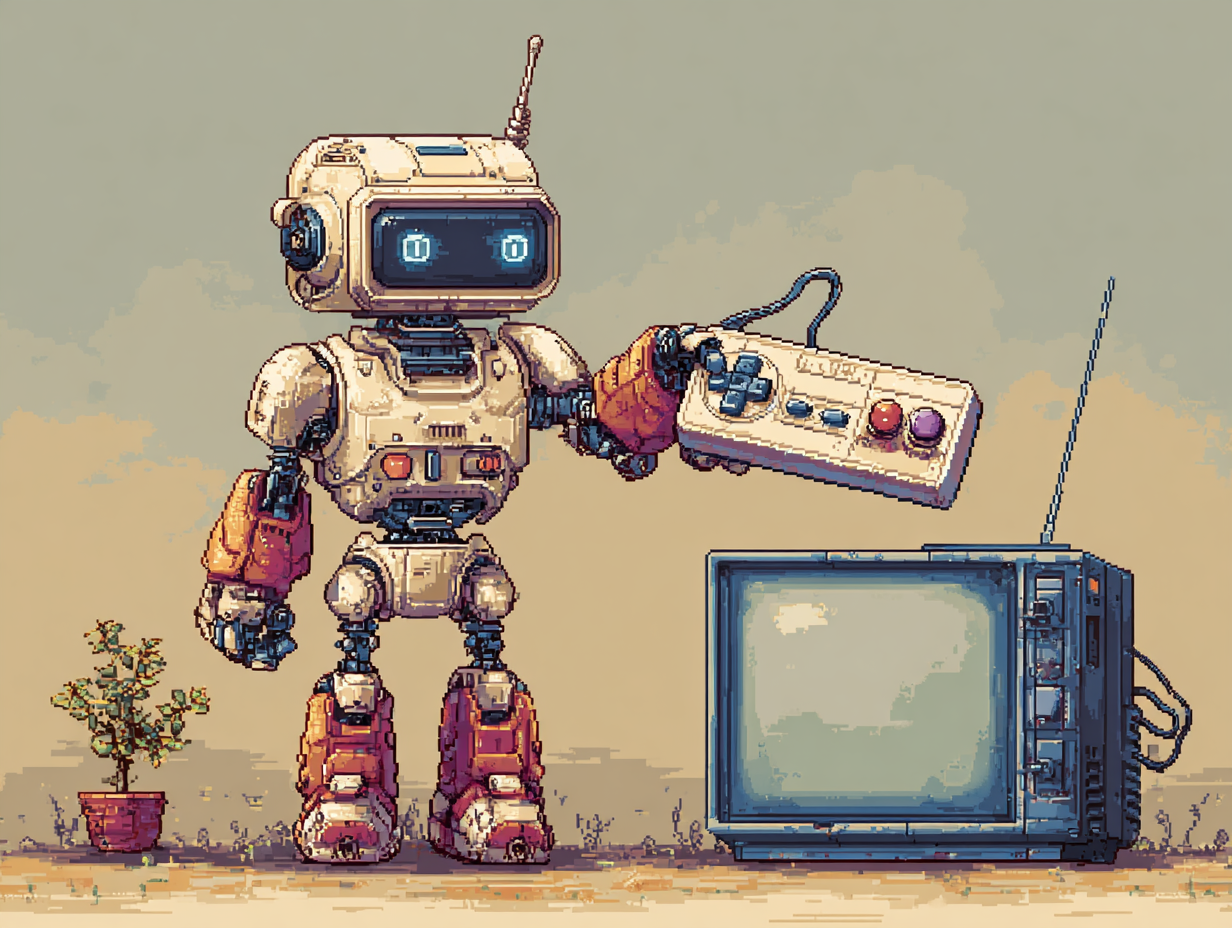
The Future of Retro Gaming in the Age of AI
Retro gaming has always thrived on nostalgia, but in today’s rapidly evolving digital world, the classics are finding new life. With artificial intelligence transforming nearly every corner of entertainment, the question arises: what is the future of retro gaming in the age of AI?
Why Retro Gaming Still Matters
Retro gaming isn’t just about old cartridges and pixelated screens. It’s about preserving a cultural moment when video games were experimental, imaginative, and groundbreaking. For many players, revisiting these classics is like reconnecting with childhood memories. For younger generations, it’s a chance to experience the roots of modern gaming. AI is helping bridge this gap, ensuring that retro titles remain accessible and engaging.
AI-Powered Preservation of Classic Games
One of the biggest challenges in retro gaming is preservation. Cartridges degrade, CDs stop working, and original hardware becomes harder to maintain. That’s where AI steps in. Machine learning and AI restoration tools can now repair, emulate, and even enhance games once thought lost to time.
- AI Upscaling: Old graphics can be upscaled into HD or even 4K while maintaining their charm.
- Restoration: Damaged or incomplete ROMs can be patched using AI that predicts missing code and assets.
- Audio Revival: Soundtracks and effects can be remastered to higher quality while keeping their retro authenticity.
This means that games like Chrono Trigger, Metroid, or GoldenEye 007 can feel fresh without losing the soul that made them iconic.
Personalized Retro Gaming Experiences
AI doesn’t just preserve—it personalizes. Imagine a system that understands the types of retro games you enjoy and recommends hidden gems you may have never discovered. Or difficulty settings that adapt in real time, ensuring newcomers aren’t overwhelmed but veterans still feel challenged.
For example, if you love Castlevania, AI could suggest lesser-known but equally thrilling titles from the same era, guiding you through the history of a genre in a way no static list could. This creates a more welcoming space for both hardcore collectors and first-time explorers.
AI in Retro-Inspired Game Development
The rise of indie developers has already brought back retro aesthetics, but AI is supercharging the trend. Tools now allow creators to generate pixel art sprites, level layouts, and even music tracks in authentic retro styles. This lowers barriers for small studios and solo developers while still producing games that feel like they belong in the golden age of gaming.
We’re seeing titles that are not just inspired by retro, but could genuinely pass as “lost” games from the NES, Sega Genesis, or PlayStation era. With AI helping to fill in the gaps, developers can spend more time fine-tuning mechanics and storytelling—the parts that make retro games timeless.
Retro Gaming Communities and AI
Another aspect of the future of retro gaming is community. Online communities have always been a backbone for collectors and enthusiasts. AI is enhancing this by curating forums, generating personalized content feeds, and even moderating discussions to keep spaces friendly and focused.
Imagine an AI-driven retro hub that not only suggests games but also connects you with like-minded fans, shares curated guides, and even organizes community tournaments in classic titles.
Challenges and Ethical Considerations
Of course, not every innovation comes without challenges. There are serious concerns about intellectual property. If AI remasters or recreates a retro title, who owns the rights? What happens when fan-driven AI projects conflict with official remakes? These are questions the industry is still grappling with.
There’s also the concern of authenticity. Can an AI truly capture the artistry of hand-crafted pixel art or carefully composed 16-bit soundtracks? Or does automation risk diluting the human touch that makes retro gaming special?
AI and Collectors: Physical vs Digital
Collectors often prefer the tactile joy of cartridges, discs, and original hardware. AI-powered preservation won’t replace that—but it might complement it. For example, owning a physical copy could come with an AI-enhanced digital version, allowing collectors to keep their treasures safe while still enjoying them in modern quality.
This balance between physical nostalgia and digital convenience may be where the future of retro gaming truly thrives.
Conclusion: Blending Nostalgia with Innovation
The future of retro gaming in the age of AI looks incredibly promising. From preservation and accessibility to AI-driven development and community growth, technology is not erasing the past—it’s celebrating and evolving it. The classics that once defined gaming’s golden age are not just surviving, but becoming more accessible, more personalized, and more vibrant than ever.
As AI continues to evolve, so will retro gaming. One thing is certain: the pixelated heroes of yesterday still have plenty of stories left to tell.