Arcade Culture: The Golden Age of Social Gaming
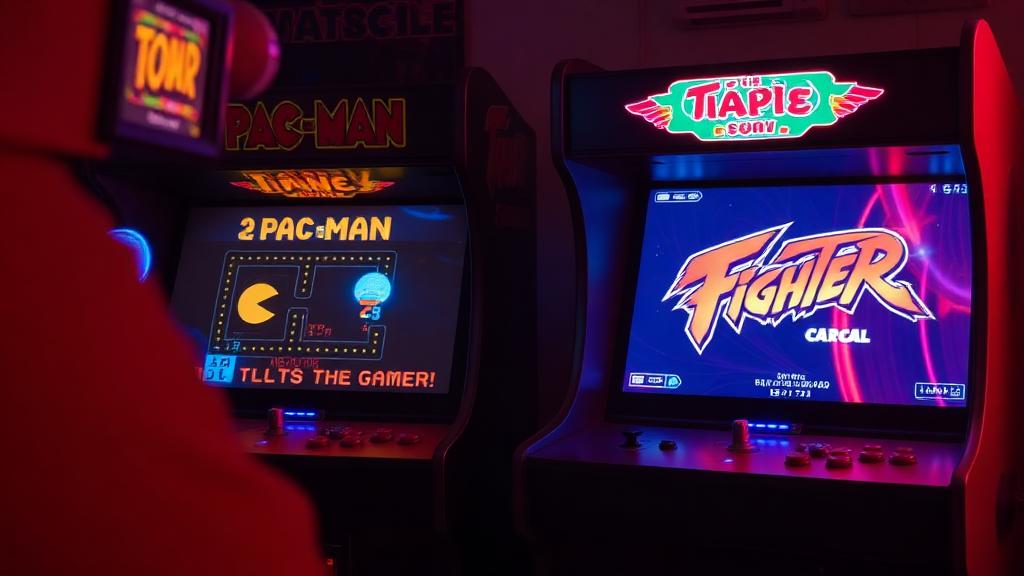
Arcade Culture: The Golden Age of Social Gaming
Before home consoles dominated living rooms, video games lived in arcades—dimly lit, neon-soaked spaces where quarters clinked, crowds gathered, and legends were born. The arcade era wasn't just about playing games; it was about experiencing them together, creating a unique social culture that would forever influence how we think about gaming. Learn more about the arcade console and its incredible library of games.
The Birth of Arcade Culture
The arcade phenomenon began in the late 1970s with games like Pong and Space Invaders, but it truly exploded in the 1980s. Arcades became the gathering places for teenagers and young adults, offering something that home gaming couldn't: shared experiences and social interaction.
What Made Arcades Special
- Social Gaming: Playing alongside friends and strangers created unique bonds
- Spectator Culture: Crowds gathered to watch skilled players
- Competition: High score boards created ongoing rivalries
- Immediate Gratification: No waiting for games to load or save
- Cutting-Edge Technology: Arcades had the most advanced hardware
The Arcade Experience
Walking into an arcade was like entering another world. The sensory overload was intentional—blinking lights, electronic sounds, and the constant hum of activity created an atmosphere unlike anything else.
The Physical Environment
Arcades were designed to be immersive:
- Dark Interiors: Enhanced the glow of screens and lights
- Loud Music: Electronic soundtracks filled the air
- Neon Lighting: Created a futuristic atmosphere
- Open Layout: Encouraged social interaction and spectating
Iconic Arcade Games That Defined an Era
Pac-Man (1980)
The game that made video games mainstream. Pac-Man's simple yet addictive gameplay and charming character design appealed to everyone, not just hardcore gamers. It became a cultural phenomenon, spawning merchandise, cartoons, and even a hit song.
Donkey Kong (1981)
Nintendo's breakthrough hit introduced Mario (then called Jumpman) and established the platformer genre. The game's challenging gameplay and memorable characters made it an arcade staple.
Space Invaders (1978)
The game that started it all. Space Invaders created the concept of high scores and competitive play, establishing many conventions that arcade games still follow today.
Street Fighter II (1991)
Revolutionized fighting games and created the tournament scene. The game's depth and competitive nature made it a social phenomenon, with players gathering around cabinets for hours.
Mortal Kombat (1992)
Controversial but influential, Mortal Kombat pushed boundaries with its violence and gore. The game's "Finish Him!" fatalities became legendary and sparked debates about video game content.
The Social Dynamics of Arcades
Arcades created unique social structures that don't exist in modern gaming:
High Score Culture
Players competed for spots on leaderboards, creating ongoing rivalries. The initials "AAA" became legendary as players tried to claim the top spot. This competitive element drove players to improve and return regularly.
Spectator Gaming
Crowds would gather around skilled players, watching and learning. This created a sense of community and shared experience that's largely absent from modern gaming.
Skill Sharing
Experienced players would teach newcomers techniques and strategies. This knowledge transfer created a sense of mentorship and community.
The Arcade Community
Arcades fostered tight-knit communities of players who shared strategies, celebrated victories, and supported each other's gaming journeys.
Regular Players
Many players became arcade regulars, visiting the same locations daily. These players formed friendships and rivalries that extended beyond the games themselves.
Tournament Culture
Arcades hosted tournaments and competitions, creating opportunities for players to showcase their skills and win prizes. These events became social gatherings as much as gaming competitions.
The Decline of Arcade Culture
Several factors contributed to the decline of arcade culture in the 1990s:
- Home Console Advancements: Consoles became powerful enough to rival arcade hardware
- Rising Costs: Arcade games became more expensive to play
- Changing Demographics: Younger players preferred home gaming
- Economic Pressures: Arcades struggled to maintain profitability
The Legacy of Arcade Culture
While traditional arcades have largely disappeared, their influence remains strong:
Modern Gaming Elements
- Competitive Gaming: Esports tournaments echo arcade competitions
- Social Gaming: Online multiplayer recreates arcade social dynamics
- Leaderboards: High score systems remain popular
- Spectator Culture: Streaming platforms recreate the arcade audience experience
Retro Revival
Modern "barcades" and retro gaming centers attempt to recreate the arcade experience for new generations. These venues combine classic games with modern amenities like craft beer and gourmet food.
Preserving Arcade History
Efforts to preserve arcade culture include:
- Museums: Institutions like the Strong Museum of Play preserve arcade history
- Emulation: MAME and other emulators keep classic games accessible
- Documentaries: Films like "The King of Kong" document arcade culture
- Retro Gaming Events: Conventions celebrate arcade history
Lessons for Modern Gaming
The arcade era teaches us valuable lessons about gaming culture:
- Social Connection: Gaming is more fun when shared with others
- Competition Drives Engagement: Healthy competition keeps players coming back
- Community Matters: Strong communities can sustain gaming cultures
- Accessibility is Key: Games should be easy to pick up and play
The Future of Social Gaming
While traditional arcades may be rare, the social aspects of gaming are experiencing a renaissance through:
- Virtual Reality Arcades: New technology creates immersive social experiences
- Gaming Cafes: Modern spaces combine gaming with social interaction
- Online Communities: Digital spaces recreate arcade social dynamics
- Retro Gaming Events: Conventions bring together gaming communities
The arcade era may be over, but its spirit lives on in every multiplayer game, every leaderboard, and every moment when gamers come together to share their passion. The golden age of arcade culture proved that video games are at their best when they bring people together.